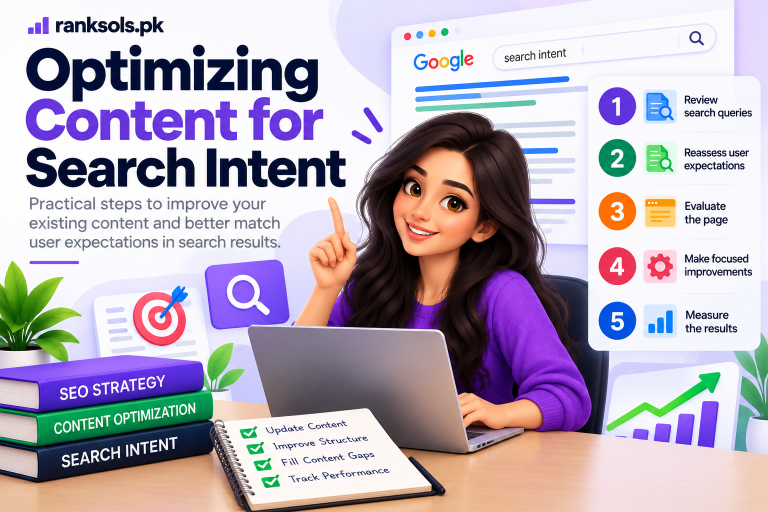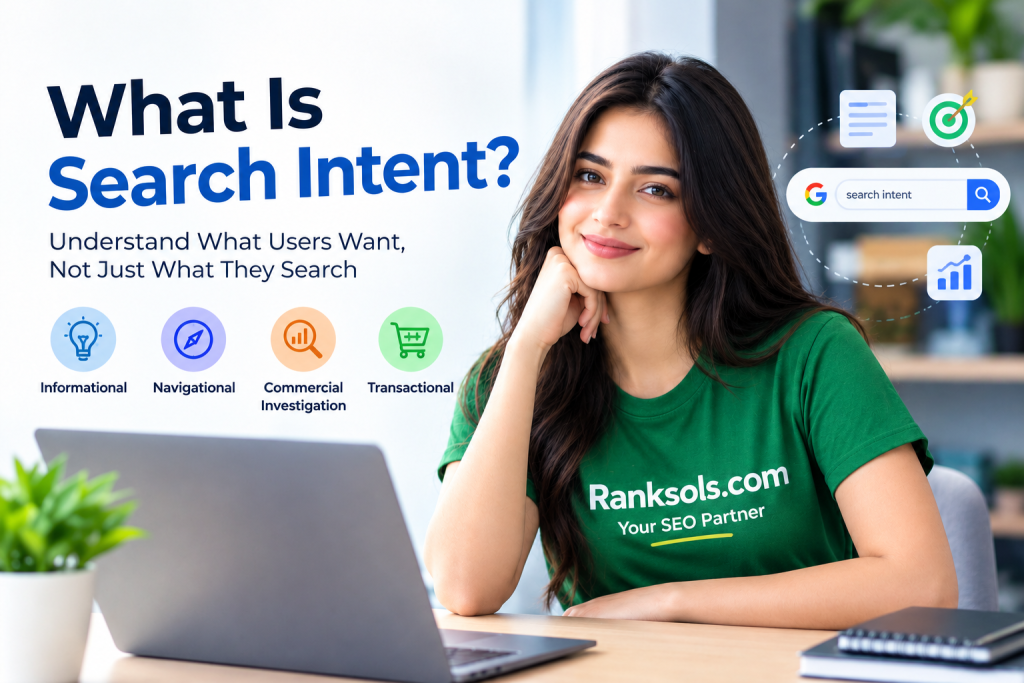
Search intent is the underlying reason behind a user’s search query—the information, answer, website, product, service, or action the person is trying to find.
Understanding search intent helps SEO professionals create pages that match what users actually want from a search. Instead of focusing only on keywords, search intent considers the purpose behind the query and the type of result that would best satisfy the searcher.
In simple terms:
Keyword = What the user searches for
Search intent = Why the user searches for it
Why Does Search Intent Matter in SEO?
Search engines aim to return results that are relevant and useful for a user’s query. Google also emphasizes creating helpful, people-first content that enables visitors to achieve their intended goal.
For SEO, understanding search intent can help you:
Choose an appropriate page or content type
Match a page with the user’s expectations
Create more relevant titles and headings
Decide whether a query needs an article, service page, product page, category page, or another format
Avoid targeting keywords without understanding their context
Give each page a clearer purpose
Search intent is therefore not simply about adding a keyword to a page. It is about understanding what the searcher is trying to accomplish.
What Are the Main Types of Search Intent?
Search intent is commonly grouped into four practical categories:
Informational
Navigational
Commercial investigation
Transactional
These are widely used SEO industry classifications, not an official four-part search-intent taxonomy published by Google. They provide a useful framework for understanding the different goals behind search queries.
1. Informational Intent
The user wants to learn something or find an answer.
Examples:
What is search intent?
How does SEO work?
What is crawl budget?
How does Google indexing work?
The appropriate result is usually educational content such as a guide, explanation, tutorial, or reference article.
For example, someone searching “what is search intent” is primarily looking for an explanation rather than a service page.
2. Navigational Intent
The user is trying to reach a particular website, page, or brand.
Examples:
Google Search Console
Ranksols
Facebook login
The user may already know where they want to go and is using search to reach that destination.
Some branded queries can also contain another type of intent. For example, a search for a company’s services may be both navigational and commercially motivated.
3. Commercial Investigation Intent
The user is researching options before making a decision.
Examples:
Best SEO agencies in Lahore
SEO tools comparison
SEO agency vs freelancer
Best WordPress SEO plugins
These searches often indicate that the user is evaluating options, features, suitability, or differences before taking action.
Content that satisfies this intent may include comparisons, reviews, buyer guides, or service evaluations.
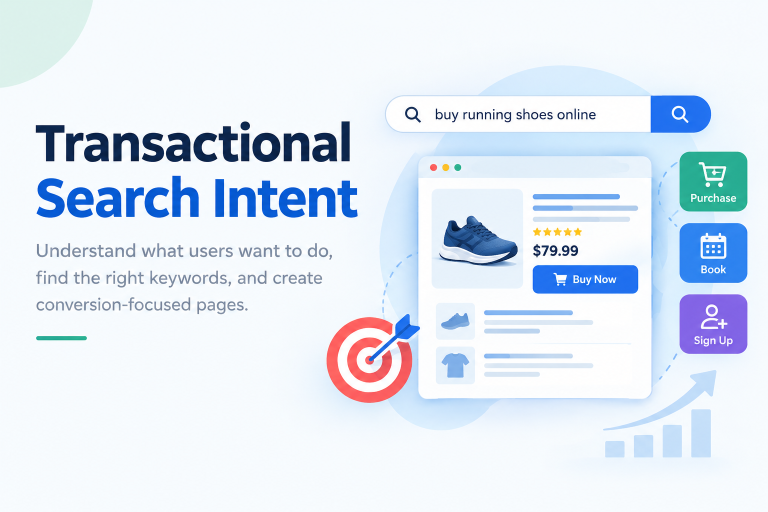
4. Transactional Intent
The user is ready to take a specific action.
That action may involve purchasing, signing up, booking, downloading, or requesting a service.
Examples:
Buy SEO software
Hire an SEO agency
SEO audit service
Buy WordPress hosting
For these queries, users generally expect a page that makes the desired action clear and accessible.
Can a Search Query Have More Than One Intent?
Yes. Search intent is not always a fixed category.
A query can contain mixed intent, depending on the user’s situation and the context of the search.
For example:
“Best SEO agency in Lahore”
may indicate:
Commercial investigation — the user is comparing agencies
Local intent — the user wants an agency in a specific location
Similarly, a branded query such as “Ranksols SEO services” can have both navigational and commercial characteristics.
This is why search intent should be treated as a practical framework rather than a rigid classification system.
How Can You Identify Search Intent?
Search intent is not always obvious from the keyword alone. One practical approach is to examine the search results for the query and consider what users are likely trying to accomplish.
Look at:
1. The Types of Pages Ranking
Are the results primarily:
Blog articles
Guides
Product pages
Service pages
Category pages
Comparison pages
Tools or other resources
The dominant page types can provide useful evidence about the intent Google currently interprets for the query.
2. The User’s Likely Goal
Ask:
What is the person actually trying to accomplish with this search?
Are they trying to:
Learn something?
Find a particular website?
Compare options?
Take an action?
3. The Language of the Query
Words used in a query can provide clues about intent.
For example:
What / why / how often indicate informational needs
Best / vs / comparison can indicate commercial investigation
Buy / price / hire / service can indicate stronger transactional intent
Brand or website names can indicate navigational intent
However, these words are signals, not definitive classifications. Context and the actual search results also matter.
Search Intent vs Keyword
A keyword describes the search phrase, while search intent describes the purpose behind that phrase.
For example:
Keyword:SEO audit
Possible intent could include:
Learning what an SEO audit is
Finding an SEO audit checklist
Comparing SEO audit tools
Looking for an SEO audit service
This demonstrates why a keyword alone does not always tell you exactly what page should be created.
A useful way to think about it is:
Keyword → Search Intent → Appropriate Page Type
The keyword identifies the search phrase.
The intent identifies the user’s goal.
The page type determines the experience you create to satisfy that goal.
How Search Intent Influences Content Strategy
Search intent can influence the type and structure of content you create.
| Search Intent | Typical User Need | Suitable Content |
|---|---|---|
| Informational | Learn or understand | Guide, article, explanation |
| Navigational | Reach a destination | Brand or destination page |
| Commercial investigation | Compare or evaluate | Comparison, review, buyer guide |
| Transactional | Take an action | Product, service, signup, or purchase page |
These categories should not be applied mechanically. A query may have overlapping intent, and the appropriate page type depends on the actual user need and search context.
The goal is to create a page that provides the information or functionality the searcher expects.
Common Search Intent Mistakes
Some common mistakes include:
Targeting a keyword without considering what users expect
Creating an informational article for a strongly transactional query
Trying to make one page satisfy several unrelated search purposes
Copying competitor headings without understanding the underlying user need
Adding keywords without improving the usefulness of the page
Creating multiple pages with substantially overlapping purposes
A clear understanding of intent can help give each page a distinct role within an SEO content strategy.
How to Use Search Intent in SEO
A simple workflow is:
Keyword → Understand the Query → Identify Intent → Examine the Search Results → Choose the Page Type → Create Relevant Content
Before publishing or optimizing a page, ask:
“If I were the person searching this query, would this page give me what I came here to find?”
If the answer is no, adding more keywords is unlikely to solve the underlying problem.
Search intent should therefore be considered alongside other SEO activities such as keyword research, content structure, on-page SEO, and internal linking, while each of those subjects can be explored separately in more depth.
A Practical Example
Suppose you want to target the query:
“what is technical SEO?”
The intent is primarily informational.
A suitable page might explain:
What technical SEO means
Why it matters
The main areas involved
Simple examples
Related concepts readers may want to explore
Creating a page that mainly promotes an SEO service would not directly match the apparent purpose of the query.
On the other hand, someone searching “technical SEO services” has a different need. A service-oriented page may be more appropriate because the query indicates stronger commercial or transactional intent.
Search Intent Is About the User’s Goal
Search intent provides a useful way to move from keyword targeting to user-focused SEO.
The central question is not simply:
“Which keyword should this page rank for?”
It is:
“What is the user trying to accomplish with this search, and does this page help them accomplish it?”
That perspective can help businesses create more relevant pages, clearer content structures, and a more useful SEO content strategy.
For businesses that want to turn search-intent analysis into a broader SEO strategy, Ranksols can help evaluate how keywords, content, and pages fit together within an organic search strategy.
Key Takeaway
Search intent is the reason behind a search query. Understanding that reason helps you choose the right content or page type and provide information that matches the user’s goal.
The four commonly used intent categories—informational, navigational, commercial investigation, and transactional—are useful for SEO analysis, but real-world queries can contain mixed intent.
The most important principle is simple:
Understand what the user wants, then create the page that best satisfies that need.