Organic traffic refers to visits to a website that come from unpaid search engine results. When someone searches on Google or another search engine and clicks an unpaid result leading to a website, that visit can contribute to organic search traffic.
Organic traffic helps website owners understand how people discover their content through search engines. It can also help evaluate whether a website attracts relevant visitors interested in its information, products, or services.
How Does Organic Traffic Work?
Organic traffic begins when a search engine discovers and indexes a webpage that may be relevant to a user’s search query. When the page appears in search results and someone clicks its link, the visit can contribute to organic traffic.
For example, if someone searches for “what is technical SEO” and clicks an unpaid result from a digital marketing website, that visit can generate organic search traffic.
However, appearing in search results does not automatically generate visits. A page must attract clicks, and its visibility can vary depending on relevance, competition, search demand, and how the results are presented.
Why Is Organic Traffic Important for SEO?
Organic traffic helps website owners understand how effectively their pages attract visitors through unpaid search results.
Its main benefits include:
Search visibility: Organic traffic helps indicate whether a website is attracting visitors through search engines.
Relevant visitors: Well-targeted content can reach people looking for information, products, or services related to a business.
Content performance: Traffic data helps identify pages that attract visitors and topics that may need improvement.
Business opportunities: Relevant visitors may subscribe, submit inquiries, request quotes, or make purchases.
Long-term value: Useful content can continue attracting visitors over time, although search visibility and traffic can fluctuate.
Organic traffic alone does not guarantee leads, sales, or business growth. Its value depends on visitor relevance, user experience, and how effectively a website meets visitors’ needs.
What Are the Main Sources of Organic Traffic?
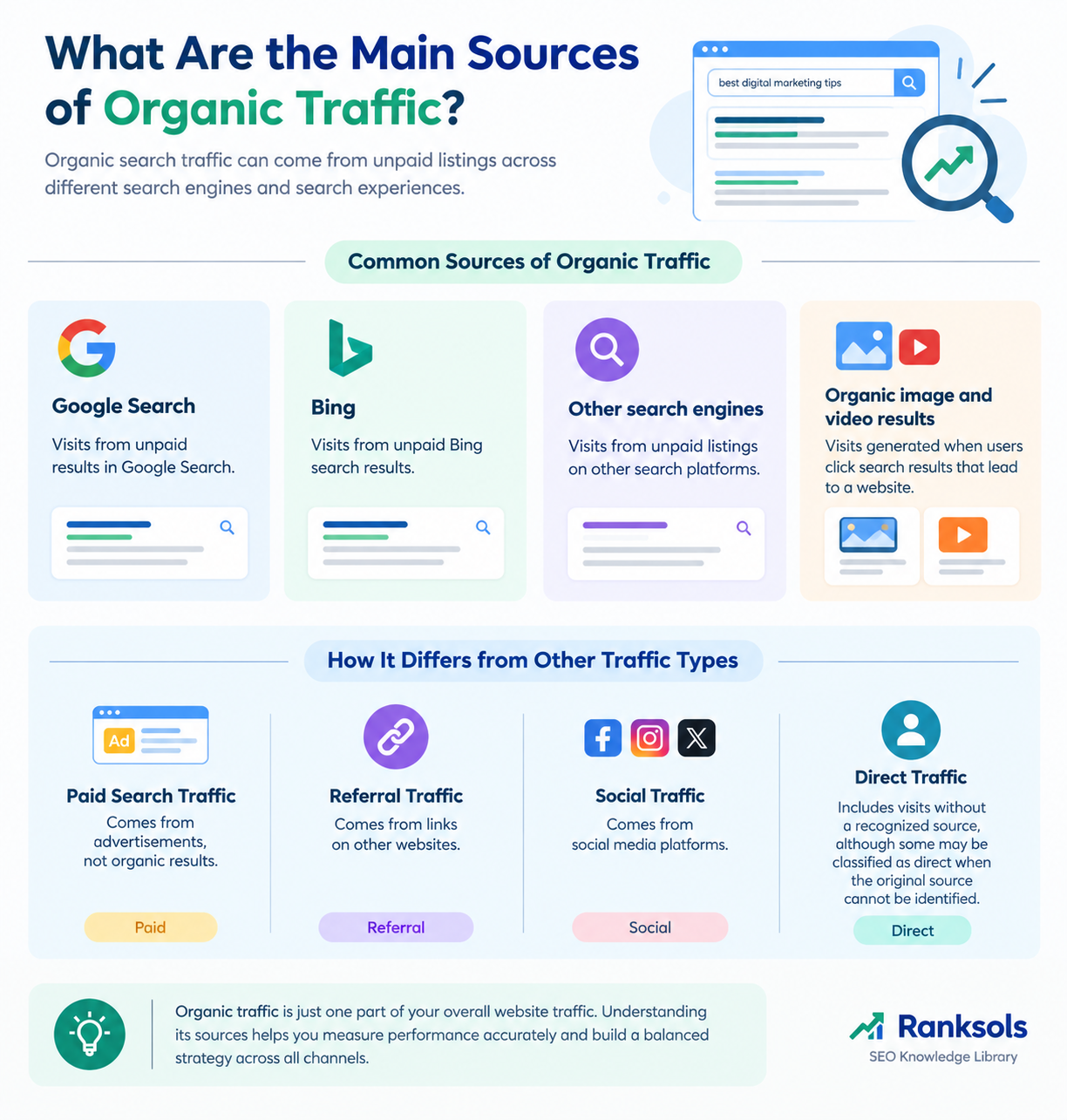
Organic search traffic can come from unpaid listings across different search engines and search experiences.
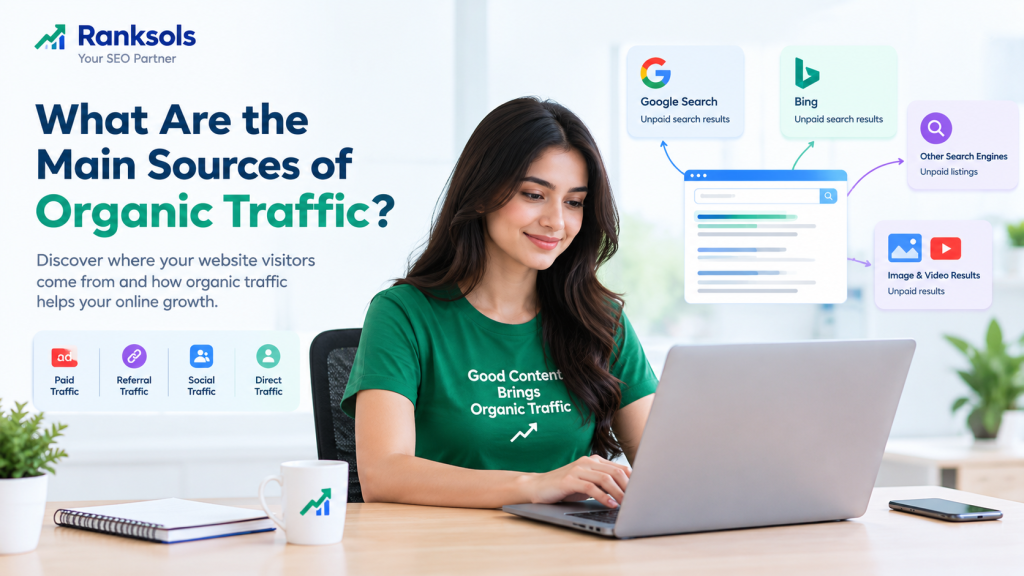
Common sources include:
Google Search: Visits from unpaid results in Google Search.
Bing: Visits from unpaid Bing search results.
Other search engines: Visits from unpaid listings on other search platforms.
Organic image and video results: Visits generated when users click search results that lead to a website.
Organic search traffic differs from paid search traffic, which comes from advertisements. It is also distinct from referral traffic, which generally comes from links on other websites, and social traffic from social platforms.
Direct traffic is another separate category in analytics reporting, although some visits may be classified as direct when their original source cannot be identified.
How Can You Measure Organic Traffic?
Google Search Console and Google Analytics are useful tools for measuring different aspects of organic search performance. They provide complementary information about how people discover a website and what they do after arriving.
1. Google Search Console
Google Search Console helps website owners understand how their pages perform in Google Search. Its Performance report provides metrics such as:
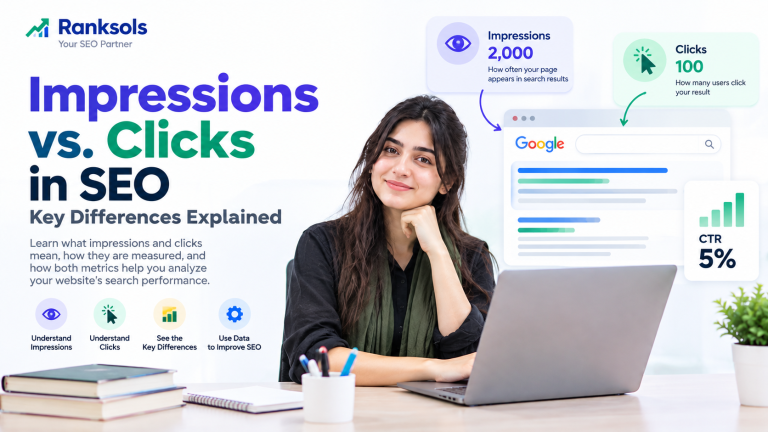
Clicks: The number of clicks from Google Search results leading to your website.
Impressions: How often your website’s results appear in Google Search.
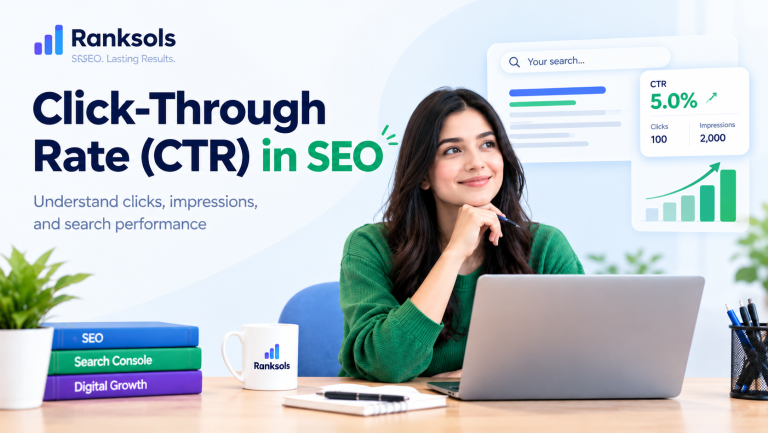
Click-through rate (CTR): The percentage of impressions that result in clicks.
Average position: The average position of your website’s reported search results.
These metrics help you evaluate search visibility, understand which queries bring visitors, and identify pages that may need further investigation.
Search Console measures performance in Google Search; it does not measure every type of traffic your website receives.
2. Google Analytics
Google Analytics helps website owners understand what visitors do after arriving at a website. Its Traffic acquisition report can show sessions attributed to the Organic Search channel.
You can use this information to examine landing pages, engagement, and conversions associated with organic search visits.
Why Do Search Console Clicks and Analytics Sessions Differ?
Search Console clicks and Google Analytics sessions are different measurements.
Search Console records clicks on Google Search results leading to your website. Google Analytics measures website activity and groups interactions into sessions according to its measurement rules.
Not every search-result click becomes a recorded Analytics session. Differences in tracking implementation, consent settings, time zones, and other measurement factors can also affect the totals.
When comparing the tools, focus on trends over comparable periods rather than expecting identical numbers. Use Search Console to investigate search performance and Analytics to understand visitor behavior and conversions.
Organic Traffic vs. Paid Traffic
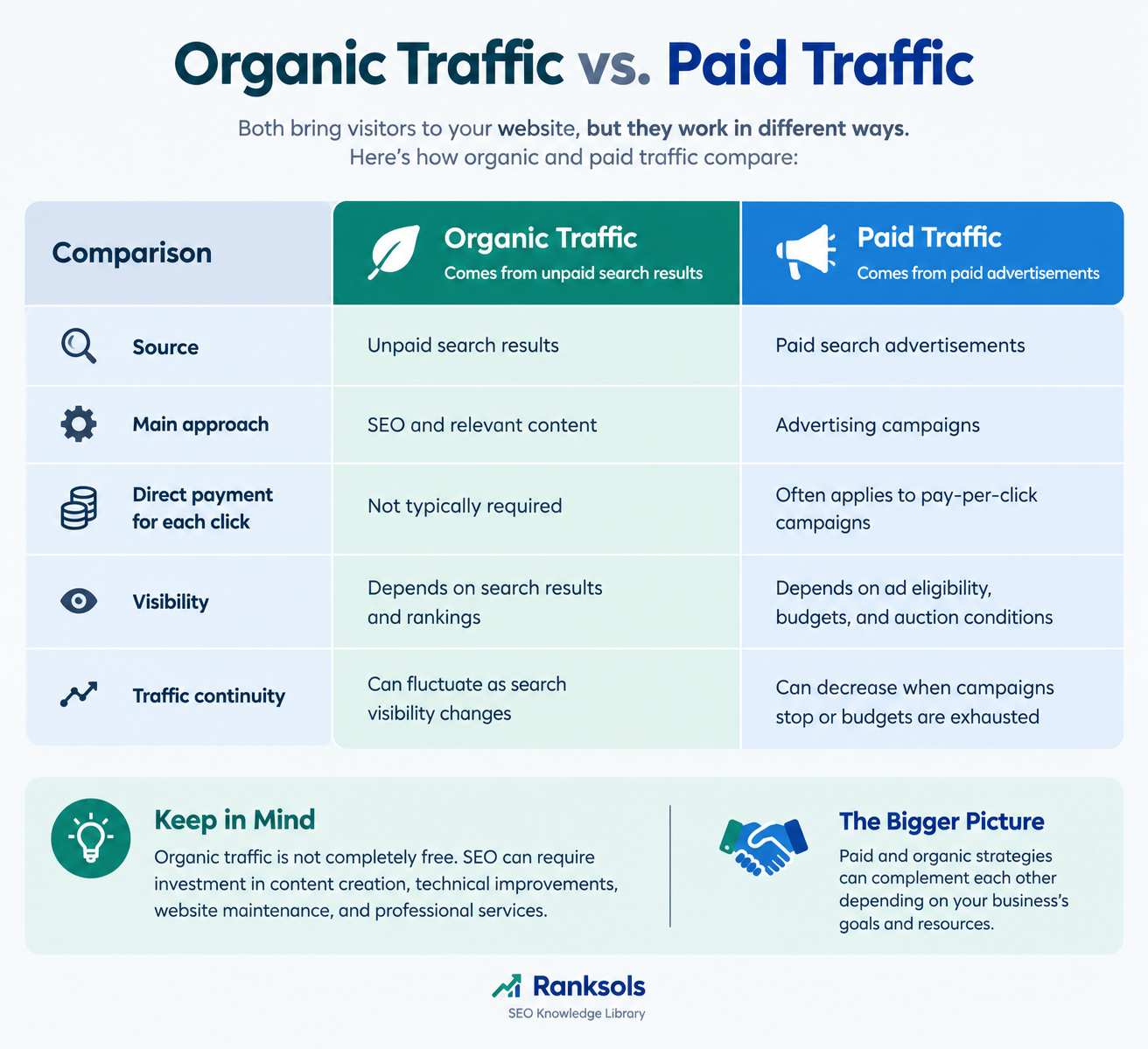
Organic traffic and paid traffic differ mainly in how visitors reach a website.
| Comparison | Organic Traffic | Paid Traffic |
|---|---|---|
| Source | Unpaid search results | Paid search advertisements |
| Main approach | SEO and relevant content | Advertising campaigns |
| Direct payment for each click | Not typically required | Often applies to pay-per-click campaigns |
| Visibility | Depends on search results and rankings | Depends on ad eligibility, budgets, and auction conditions |
| Traffic continuity | Can fluctuate as search visibility changes | Can decrease when campaigns stop or budgets are exhausted |
Organic traffic is not completely free. SEO can require investment in content creation, technical improvements, website maintenance, and professional services. Paid and organic strategies can complement each other depending on a business’s goals and resources.
How Can You Improve Organic Traffic?
Improving organic traffic starts with making your website useful, accessible, and relevant to the searches your audience performs.
Consider these practical steps:
Create helpful content: Answer your audience’s questions with accurate, relevant information.
Understand search intent: Match each page to the user’s primary goal, whether learning, comparing options, or finding a service.
Improve on-page SEO: Use descriptive page titles, clear headings, relevant content, and natural internal links.
Maintain technical SEO: Help search engines access, crawl, and understand important pages.
Improve search result presentation: Write descriptive title links and useful meta descriptions that accurately represent each page.
Monitor performance: Use Search Console and Google Analytics to identify changes in visibility, visits, and conversions.
Avoid judging performance from a single day or metric. Compare suitable time periods and investigate significant changes before making major website changes.
Common Misconceptions About Organic Traffic
Organic traffic is completely free.
Visitors generally do not pay to click an organic result, but producing content and maintaining a website can involve costs.
More organic traffic always means better results.
Traffic from irrelevant searches may not support business goals. Relevant visits and meaningful conversions can be more valuable than traffic volume alone.
Higher rankings always produce more traffic.
Ranking position can influence clicks, but search demand, competing results, and click-through rate also matter.
Organic traffic only comes from Google.
Unpaid search visits can come from other search engines as well.
Conclusion
Organic traffic measures visits generated through unpaid search results. It helps website owners understand how people discover their pages, evaluate search performance, and identify opportunities to attract more relevant visitors.
For businesses seeking to improve their organic search visibility, Ranksols can help identify SEO opportunities and develop a strategy aligned with their website goals.
Related Topics to Explore
Continue learning through these related Ranksols resources:
How Do Search Engines Work? — Understand how search engines discover, process, and rank webpages.
What Is Search Intent? — Learn how the purpose behind a search influences relevant content.
SEO vs. PPC — Compare organic search optimization with paid search advertising.
What Is Technical SEO? — Explore the technical foundations that help search engines access and understand a website.
Link each topic to its corresponding published article on Ranksols.pk where available.